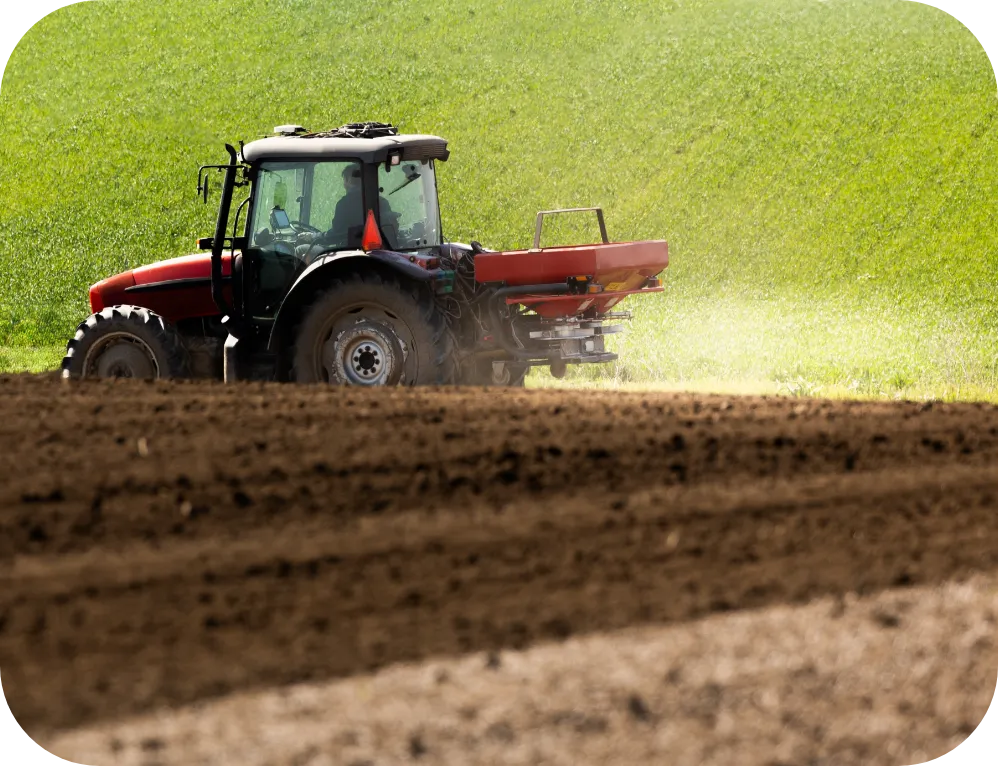
The European Union has introduced new rules to increase the use of RENURE fertilisers, giving farmers new ways to reduce reliance on imported mineral fertilisers and improve nutrient management. As fertiliser costs remain high and nitrate limits become stricter, RENURE products offer a practical solution that supports both farm profitability and environmental goals.
RENURE, or Recovered Nitrogen from Manure, refers to processed fertilisers made from livestock manure and digestate. This guide explains how RENURE products work, what the new EU rules mean for farmers, and why experts from Teagasc, Agriland, and Open Access Government believe they could reshape the future of nutrient management in Ireland and across the EU.
What Are RENURE Fertilisers?
RENURE stands for Recovered Nitrogen from Manure. These fertilisers are produced by processing livestock manure or digestate from anaerobic digestion to recover nutrients in a more concentrated and plant-available form.
Unlike raw slurry, RENURE products contain a higher proportion of mineral nitrogen, which crops can absorb more efficiently. They also provide a more consistent nutrient profile, making it easier for farmers to plan fertiliser applications and manage nutrient use.
The European Union sees RENURE as part of a wider move towards circular agriculture, where valuable nutrients remain within the farming system rather than being lost as waste. By replacing some mineral fertilisers with recovered nutrients, farmers can reduce input costs, improve nutrient efficiency, and lower dependence on imported fertiliser products.
Under the new EU rules, certain RENURE products that meet strict technical criteria can be applied above the standard manure limit set by the Nitrates Directive.
| Term | Definiton |
|---|---|
| RENURE | Recovered Nitrogen from Manure |
| Source material | Livestock manure and digestate |
| Main purpose | Replace mineral fertilisers |
| Key feature | High mineral nitrogen content |
| Regulatory status | Processed fertiliser recognised under new EU rules |
Why the EU Introduced RENURE Rules
The EU introduced RENURE rules to reduce dependence on imported fertilisers, improve nutrient recycling, and support water quality goals. While European farmers rely heavily on mineral fertilisers, large amounts of valuable nutrients remain locked in livestock manure.
Under the Nitrates Directive, manure applications are generally limited to 170kg of nitrogen per hectare each year. The new RENURE framework allows qualifying processed manure products to be used beyond this limit under specific conditions, helping farmers make better use of existing nutrients while maintaining environmental safeguards.
How RENURE Fertilisers Are Produced
RENURE fertilisers are produced by processing livestock manure or digestate from anaerobic digestion. The aim is to recover nitrogen and convert it into a more concentrated and plant-available form.
Several technologies can create RENURE products. These include ammonia stripping, membrane filtration, and nutrient separation processes that increase nitrogen availability and improve nutrient consistency.
The result is a fertiliser that behaves more like a mineral fertiliser while supporting nutrient recycling. This helps farmers make better use of nutrients already available within the agricultural system and reduces reliance on imported fertilisers.
| Processing Method | End Product |
|---|---|
| Anaerobic Digestion | Digestate |
| Ammonia Stripping | Ammonium fertiliser |
| Membrane Filtration | Ammonium fertiliser |
| Nutrient Separation | Processed RENURE fertiliser |
RENURE vs Conventional Fertilisers
RENURE fertilisers offer many of the benefits of mineral fertilisers while supporting nutrient recycling. They contain a higher proportion of plant-available nitrogen than raw slurry, making nutrient applications more predictable and efficient.
Unlike conventional mineral fertilisers, RENURE products are derived from livestock manure and digestate. This helps retain valuable nutrients within the agricultural system and reduces dependence on imported fertiliser.
| Factor | RENURE | Mineral Fertiliser | Raw Slurry |
|---|---|---|---|
| Nitrogen availability | High | High | Moderate |
| Nutrient consistency | High | High | Variable |
| Nutrient recycling | High | Low | High |
| Import dependency | Low | High | Low |
New EU Rules on RENURE Fertilisers Explained
In February 2026, the European Commission adopted new rules to support the use of RENURE fertilisers across the EU. The aim is to help farmers replace imported mineral fertilisers with nutrients recovered from livestock manure while maintaining environmental safeguards.
Key changes include:
- Qualifying RENURE products can be applied beyond the standard 170kg N/ha manure limit.
- Farmers can apply up to an additional 80kg N/ha from approved RENURE products.
- Total nitrogen applications remain capped at 250kg N/ha.
- Products must meet strict criteria for mineral nitrogen content and contaminant levels.
- Member States decide whether and how to implement the new rules.
For farmers, the legislation creates new opportunities to recycle nutrients already available on the farm and reduce dependence on imported fertilisers.
| Requirement | Rule |
|---|---|
| Standard manure limit | 170kg N/ha |
| Additional RENURE allowance | Up to 80kg N/ha |
| Maximum combined limit | 250kg N/ha |
| Copper limit | 300mg/kg dry matter |
| Zinc limit | 800mg/kg dry matter |
| Implementation | Decided by individual Member States |
What RENURE Means for Irish Farmers
For Irish farmers, RENURE offers a practical way to improve nutrient management while reducing reliance on imported fertilisers. This is particularly important for dairy and livestock farms operating under increasing nitrate pressure.
Potential benefits include:
- Reduced spending on chemical fertilisers.
- Better use of nutrients already available on the farm.
- Less reliance on slurry exports.
- Improved compliance with nutrient management requirements.
- Greater support for anaerobic digestion and biomethane production.
According to Teagasc, a 120-cow dairy farm on 52 hectares could recycle up to 4,160kg of nitrogen annually through RENURE products. This could deliver fertiliser savings of €713 to €1,188 per year while also reducing the farm’s carbon footprint.
As Ireland looks to expand biomethane production and improve nutrient efficiency, RENURE could become an important tool for helping farmers balance productivity, profitability, and environmental compliance.
| Metric | Value |
|---|---|
| Herd size | 120 cows |
| Farm area | 52 hectares |
| Nitrogen recycled | 4,160kg/year |
| Estimated fertiliser savings | €713 – €1,188/year |
Environmental Benefits and Challenges
RENURE fertilisers offer several environmental benefits by helping farmers recover and reuse nutrients that might otherwise be lost. This supports the circular economy, reduces reliance on imported mineral fertilisers, and can lower the carbon footprint associated with fertiliser production and transport.
Potential benefits include:
- Improved nutrient recycling.
- Reduced dependence on imported fertilisers.
- Lower greenhouse gas emissions from fertiliser manufacturing.
- Better use of livestock manure and digestate.
However, environmental safeguards remain important. Like any nitrogen fertiliser, RENURE products require responsible application and nutrient management to protect water quality and prevent nutrient losses.
Key challenges include:
- Monitoring nutrient applications.
- Maintaining compliance with environmental regulations.
- Investment in processing and recovery infrastructure.
- Ensuring consistent product quality and performance.
The Future of RENURE Fertilisers in Europe
RENURE fertilisers represent a significant step towards more efficient nutrient management across Europe. Recovering nitrogen from livestock manure and digestate helps farmers reduce reliance on imported fertilisers and make better use of nutrients already available within the agricultural system.
The new EU rules create fresh opportunities for livestock and dairy farmers, particularly in countries such as Ireland, where nitrate limits and fertiliser costs continue to shape farm management decisions. As Member States begin to implement the legislation, RENURE could play an increasingly important role in supporting farm profitability, nutrient efficiency, and long-term sustainability.